
Low-Light Houseplants That Actually Thrive
Five plants that grow well in corners and poorly lit rooms. Real options for British homes with limited natural light.
Read Guide →Overwatering kills more plants than anything else. We've covered when to water, how much, and what soil type matters most.


We tend to think of plant care as simple — just add water, right? Thing is, that's exactly where most people go wrong. Your plant doesn't need water on a schedule. It needs water when the soil actually requires it. The difference between "damp" and "soaking" might sound small, but it's the difference between a thriving plant and a rotting root system.
Over the next few sections, we're going to walk through the most common watering mistakes and how to fix them. You'll learn what "proper drainage" really means, how to read your plant's signals, and why that fancy pot might actually be working against you.
of indoor plant deaths result from overwatering, not underwatering
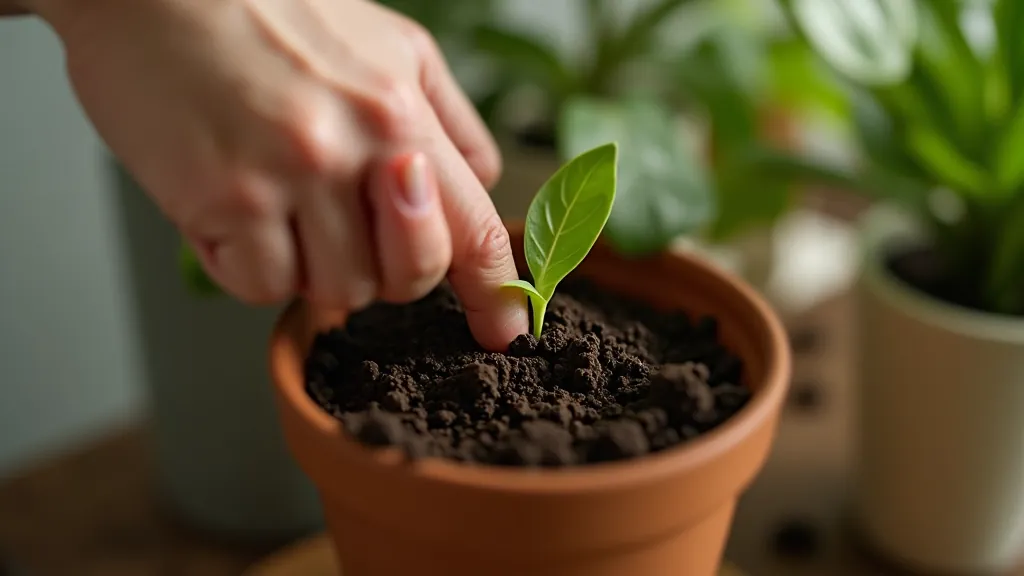
Most people water their plants too often. You wake up, see the soil looks a bit dry on top, and think it needs water. But the soil below that surface layer? Still wet. The roots are sitting in moisture they don't need, and roots need oxygen too. When they're constantly wet, they start to rot.
Root rot doesn't show up immediately. You might not notice anything for weeks. Then suddenly the leaves start yellowing, the stems feel soft, and by then it's often too late to save the plant. That's why checking soil moisture properly matters so much. Don't just look at the surface.
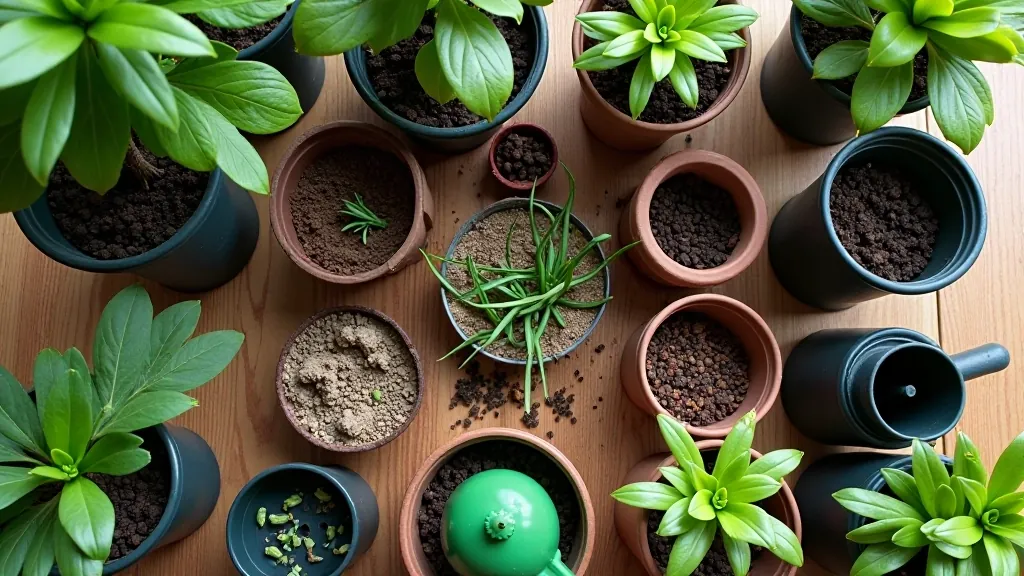
Here's something people get wrong all the time — they'll buy a beautiful pot without drainage holes. "I'll just be careful with the watering," they think. You won't. Nobody is careful enough to prevent waterlogging without drainage.
Your plant pot needs drainage holes at the bottom. When you water, excess water should flow straight through and out the bottom. If it sits in the pot, you're back to the root rot problem. A decorative pot without holes? Put another pot inside it. The nursery pot with drainage goes inside the pretty pot. It's the safest way.
Soil type matters too. Standard potting soil is fine for most plants, but succulents and cacti need cactus mix — it's grittier and drains faster. For tropical plants like ferns, you might want orchid bark mixed in. The right soil for your plant type actually makes watering easier because drainage happens naturally.
Plants don't need the same amount of water year-round. During spring and summer when they're actively growing, they'll need more. But come autumn and winter? Growth slows down dramatically, and so does water demand. A plant watered on the same schedule in January as it was in June is probably getting too much water.
Indoor heating in winter makes the air drier, but paradoxically, your plants need less water because they're not growing much. Lower light levels mean less photosynthesis, which means less transpiration (water loss through leaves). It's a combination effect. We're talking about watering maybe half as often in winter compared to summer for most houseplants.
Watch for these winter signs: leaves dropping isn't always a problem — it's often the plant being smart and reducing water demand. If the leaf drop is extreme or accompanied by mushy stems, then you've got overwatering. But some leaf drop in winter? That's normal. Don't panic and water more.
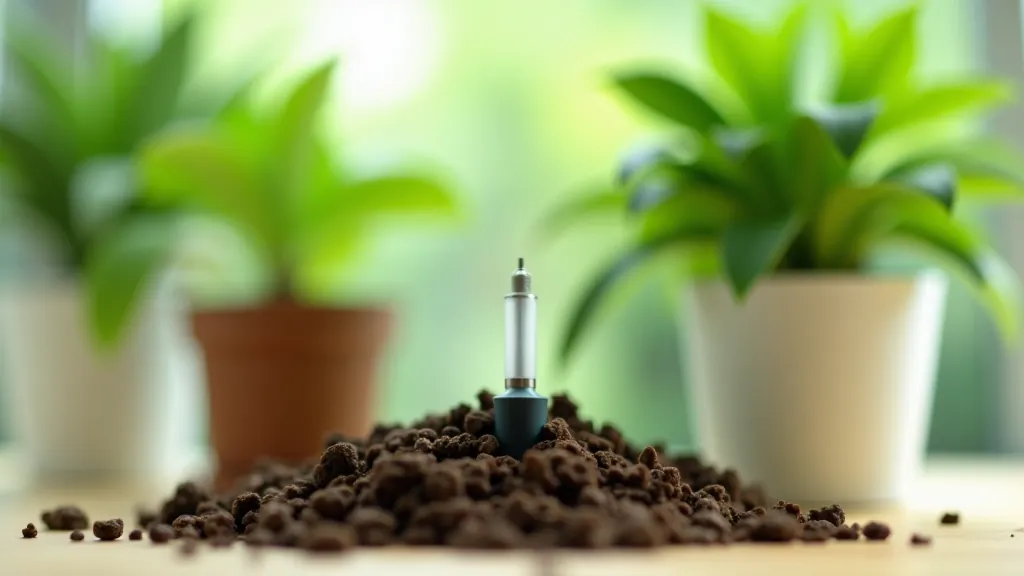
A moisture meter costs about £5-8 and removes the guesswork. Stick it into the soil at root depth, and it tells you if you're looking at dry, moist, or wet soil. No more second-guessing. If you find yourself constantly unsure about watering, this is worth the investment.
Watering cans with narrow spouts help too. You can control exactly where the water goes — into the soil, not all over the leaves. Wet foliage in dim indoor conditions is a recipe for fungal issues. Water the soil. The leaves will get moisture from the humidity in the air.
Some people swear by the weight method — pick up your pot when it's freshly watered, remember how heavy it feels, and only water again when it's significantly lighter. It works, but it requires some practice. A moisture meter is faster and more reliable.
Watering properly comes down to a few principles: check soil moisture before watering, use pots with drainage holes, match soil type to your plant, adjust for seasons, and don't assume a schedule will work year-round. Most importantly — if you're unsure, don't water. A plant can handle being dry for a few days. It can't recover from being soggy for weeks.
Start paying attention to how your plants actually respond. You'll develop a feel for it. Different plants have different preferences — succulents want it dry, ferns like moisture. Learn what your specific plants need, and you'll stop killing them.
This article is provided for educational and informational purposes only. Plant care advice can vary based on individual circumstances, climate conditions, specific plant species, and your home environment. The guidance here represents general best practices for indoor plant care in British homes, but results will vary. Always observe your own plants closely and adjust care based on their specific responses. If your plant develops serious issues like severe pest infestations or diseases, consider consulting with a local garden centre or professional horticulturist for personalised advice.