

Why Pet Safety Matters in Plant Selection
It's a real concern if you've got curious cats or dogs at home. Many common houseplants contain toxins that can cause anything from mild stomach upset to serious health issues. The good news? There's a whole world of beautiful, pet-friendly options.
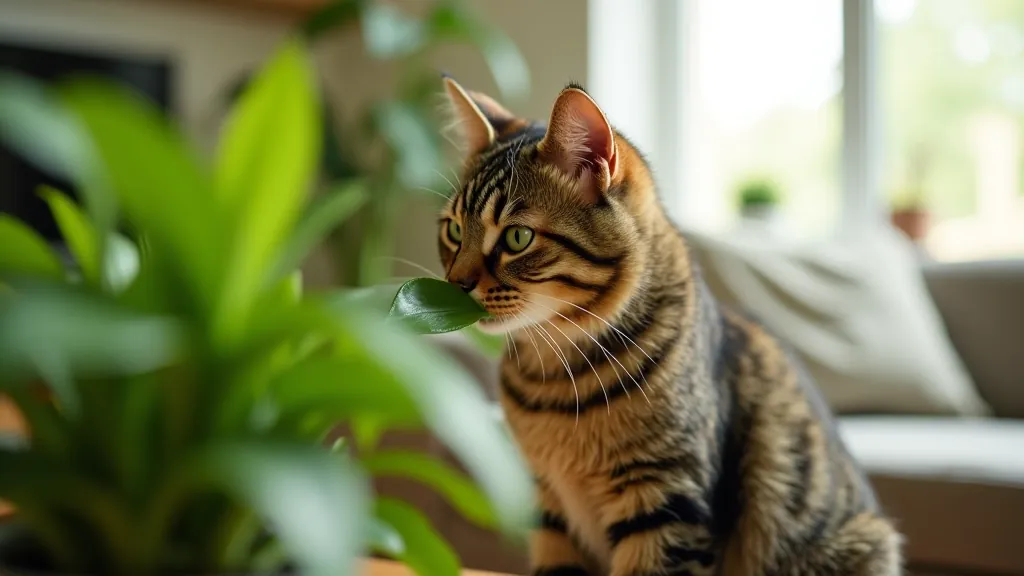
Cats are particularly prone to nibbling plants — they're attracted to movement of leaves and the texture appeals to them. Dogs tend to be less interested in plants, but some will chew on leaves if they're bored. The safest approach is choosing plants that won't cause problems even if your pet decides to take a bite.
We've been helping British plant parents navigate this for years. The tricky part isn't finding safe plants — it's finding ones that actually look good in your space and match your lifestyle.
The Safe Choices
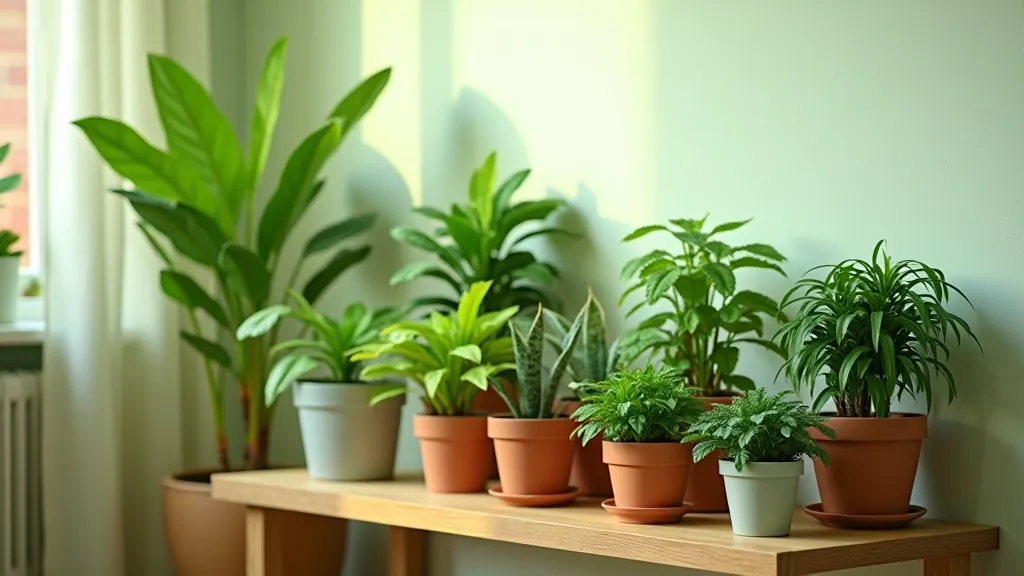
Spider Plant (Chlorophytum comosum)
Probably the easiest pet-safe plant you can own. It grows like mad, tolerates neglect, and even produces baby plants. Cats sometimes nibble the dangling leaves, but it won't harm them.
Boston Fern (Nephrolepis exaltata)
Delicate and feathery, it looks beautiful but does need consistent humidity and moisture. Not for forgetful plant parents, but dogs and cats can chew on it without risk.
Prayer Plant (Maranta leuconeura)
Compact with stunning patterned leaves. They're completely safe and the low-growing habit means they're less tempting for tall dogs to investigate.
Parlour Palm (Chamaedorea elegans)
Adds tropical vibes to any room and grows slowly, so it won't suddenly take over. Safe for both cats and dogs, though neither usually shows much interest in it.
Plants to Avoid at All Costs
Some plants are genuinely dangerous. Lilies (especially true lilies) can cause kidney failure in cats — even small amounts of pollen or leaf material. Dieffenbachias cause intense mouth irritation and can affect breathing. Oleander is toxic to both cats and dogs. Sago palms are extremely poisonous.
Philodendrons and pothos (devil's ivy) contain oxalates that cause burning sensations in the mouth. You'll see them in loads of British homes because they're hardy, but they're genuinely risky if you've got pets. Daffodils and tulips are bulbs to keep locked away — they're highly toxic.
The pattern? Many popular houseplants we assume are safe actually aren't. Don't assume something's fine just because it's common. Always check before bringing a new plant home.
Smart Placement Strategies
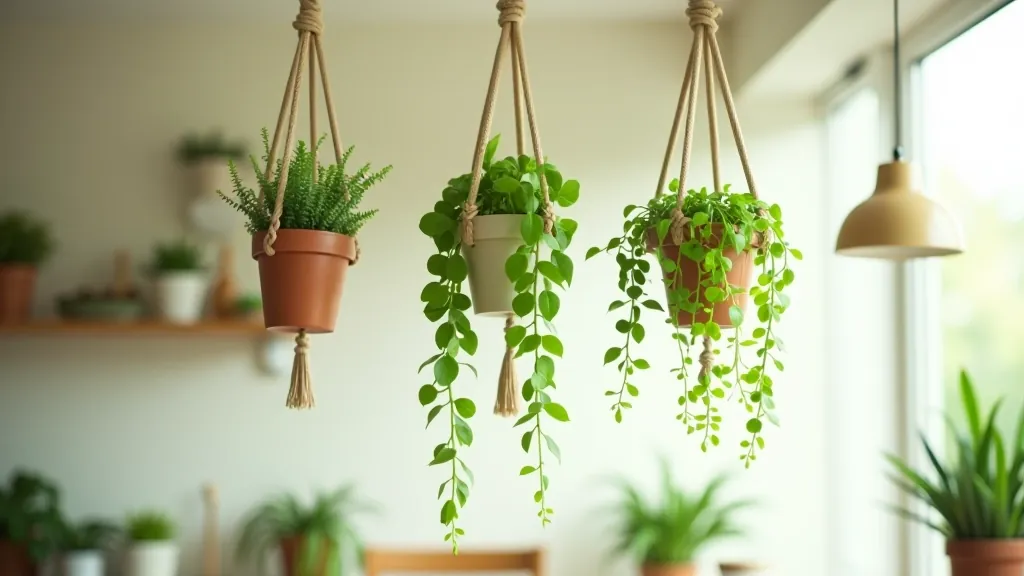
Even with safe plants, placement matters. Put trailing plants where they won't tempt your cat to swat at dangling leaves. Elevated shelves work well — both for protection and aesthetics. Window sills are great if your cat doesn't have access, but some cats are determined climbers.
For dogs, the main concern is knocking pots over. Heavy ceramic pots are better than light plastic. Wide bases provide stability. Keep plants away from areas where your dog regularly runs and plays — you'll avoid both plant damage and the risk of your dog eating leaves while being active.
Hanging planters solve a lot of problems. They're out of reach, they look stylish, and they free up floor and shelf space. Consider corner positions too — less foot traffic means less chance of accidents.
What to Watch For
If your pet has eaten a plant and you're worried, look for drooling, vomiting, diarrhea, or difficulty swallowing. Some plants cause skin irritation, so watch for excessive licking or scratching around the mouth and paws. If your cat's acting lethargic or you notice trembling, get veterinary advice immediately.
Don't panic if your pet nibbles a safe plant — they'll be fine. But when in doubt, contact your vet. Keep the plant name and as much information about what was eaten as possible.

Building Your Pet-Friendly Plant Collection
Start with easy plants like spider plants and snake plants (wait — actually skip snake plants if you have pets, they're borderline). Build your collection gradually. You'll learn what works in your home's lighting and humidity.
The brilliant thing about pet-safe plants? Many are incredibly forgiving. Spider plants bounce back from neglect. Areca palms are nearly indestructible. Prayer plants thrive in indirect light, which is what most British homes have. You're not sacrificing care difficulty for safety.
Some people worry they'll miss out on variety. That's not true. There are easily 30+ genuinely safe options that range from tiny trailing succulents to tall architectural palms. You can create a lush, diverse indoor garden that's completely safe for your furry friends.
The Bottom Line
Pet safety doesn't mean you can't have beautiful plants. It means being intentional about what you bring home and where you place it. A few minutes of research before purchasing saves potential vet bills and worry. Stick with proven safe options, place them sensibly, and you'll have a thriving indoor garden alongside happy, healthy pets.