
Watering Your Plants — Common Mistakes to Avoid
Overwatering kills more plants than anything else. We've covered when to water, how much to use, and how to tell if your plant's actually thirsty.
Read GuideFive resilient plants that grow brilliantly in corners and poorly lit rooms. Real options for British homes without bright south-facing windows.

Not everyone's got a sun-drenched conservatory or south-facing windows. If you're living in a British home with north-facing rooms, hallways that barely see daylight, or corners that never quite catch the sun—you'll understand the frustration. But here's the good news: there's absolutely no reason you can't have beautiful, thriving houseplants. It's not about finding plants that merely survive in shade. We're talking about plants that genuinely flourish, developing vibrant leaves and healthy growth even when natural light is scarce.
The plants we've covered here aren't just tolerant of low light—they're actually adapted to it. Most of these species come from forest floors or understory environments where dappled light is the norm. That's why they'll perform brilliantly in your hallway or that dark corner of your sitting room.
Low-light environments receive indirect light for 2-4 hours per day, or are positioned away from windows. Rooms without direct sun exposure but with some ambient brightness work perfectly.
We've selected these five specifically because they're resilient, genuinely low-maintenance, and actually improve with age. Each one brings something different to a room—whether that's interesting texture, dramatic height, or elegant trailing growth. And they're all available from decent garden centres across the UK without hunting through specialist suppliers.
Light: Thrives in indirect, low light. Will trail beautifully even in hallways. Watering: Every 7-10 days when soil's dry. Height: Trails to 2m+ if you let it.
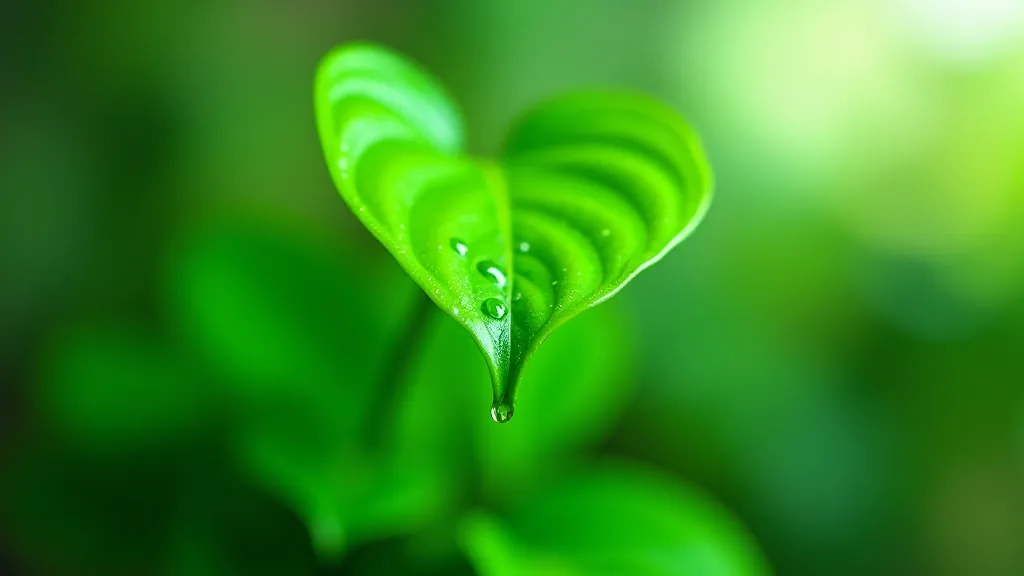
This one's genuinely foolproof. Pothos doesn't just survive in low light—it actively prefers it. Direct sun can actually bleach the leaves. The heart-shaped foliage stays vibrant green even in rooms that barely see sunshine. You can grow it trailing from shelves, up a moss pole, or in hanging baskets. It's been doing this job since the 1970s and hasn't lost its charm.
Light: Handles low light brilliantly. Prefers indirect light. Watering: Every 5-7 days depending on season. Height: Compact to 1.5m depending on variety.
Philodendrons are workhorses. The heart-leaf variety is compact and tidy, perfect for shelves or desks. It'll produce larger leaves as it matures, and the growth is steady and reliable. You're not waiting months for something to happen. Unlike pothos, philodendrons tend to grow more upright, so they're better if you want a neat plant rather than a trailing monster.
Light: Incredibly tolerant. Low light is fine. Can handle neglect. Watering: Every 2-3 weeks or even less. Height: 60cm-1.2m depending on variety.
If you're genuinely forgetful with watering, this is your plant. Snake plants store water in their leaves, so they're built for neglect. They'll grow in conditions so dim you'd think nothing could survive. The vertical, architectural leaves add real drama to a space. They're not flashy, but they're absolutely dependable. Just don't overwater—that's the only thing that'll kill them.
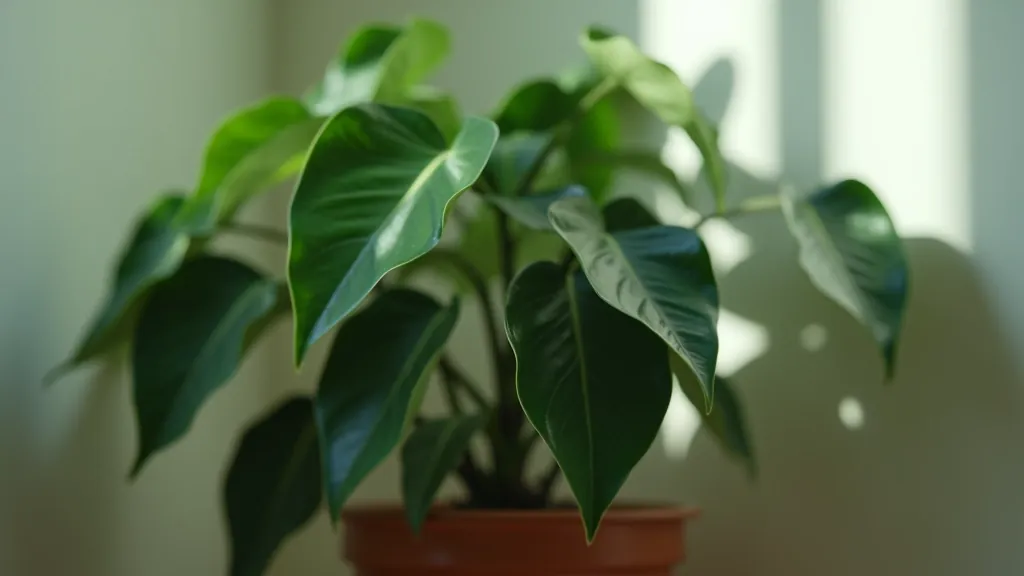
Light: Genuinely low-light tolerant. Shiny, dark leaves. Watering: Every 7-10 days. Height: 60cm-1m, grows slowly.
The name says it all. This plant's basically indestructible. It's got those gorgeous dark green, glossy leaves that look polished. It's slower-growing than pothos or philodendron, but that means less fussing. It's the kind of plant that makes you look like you've got your life together because it just sits there looking elegant without demanding anything.
Light: Thrives in low indirect light. Watering: Every 10-14 days. Height: 60cm-1.2m, architectural growth.
ZZ plants have that architectural, almost prehistoric look with their glossy leaflets arranged along stems. They're brilliant at air purification, and they're incredibly drought-tolerant. The growth is upright and neat, so they work well on shelves or in corners where you want something substantial but not sprawling.
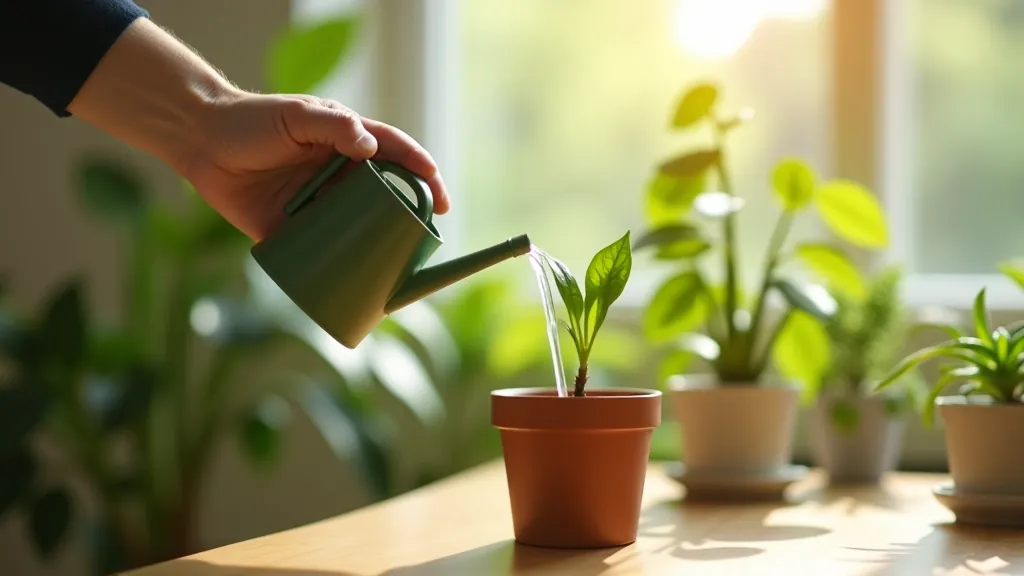
This is where people go wrong. Low-light plants need less water than sun-loving plants because they're not evaporating moisture as quickly. Check the soil with your finger—if the top 2-3cm is dry, water. If it's still moist, wait. Overwatering in low light is genuinely the biggest killer. The soil stays wet longer, and roots rot. It's not pleasant.
Most British homes have decent humidity, especially in kitchens and bathrooms. Low-light plants aren't fussy about this. A mist spray every week or two keeps leaves clean and dust-free. It's not essential, but it's nice for the plant and takes 30 seconds.
Go easy. During the growing season (March to September), a diluted liquid feed every month is plenty. In winter, most low-light plants barely grow, so you can skip feeding entirely. They're not demanding feeders anyway.
Pro tip: Rotate your plants every month or so. Even in low light, they'll lean toward any available light source. A quarter turn keeps growth even.
You don't need perfect lighting to grow beautiful plants. Honestly, some of the healthiest houseplants we've seen are in north-facing rooms or hallways where direct sun never reaches. The plants we've covered here aren't just surviving—they're genuinely thriving in those conditions. They'll develop new leaves regularly, maintain vibrant colour, and reward you with steady growth.
Start with one or two. Get a feel for watering in your home. Then add more as you build confidence. Within a few months, you'll have a collection that makes your space feel alive, even if that space doesn't get blasted with sunlight. And that's the real point—having plants you actually enjoy, in the home you've got, not the home you wish you had.
Keen to learn more about indoor plant care?
Explore More GuidesThis article is for informational purposes and represents guidance based on general horticultural knowledge. Growing conditions vary significantly between homes, regions, and individual circumstances. Results depend on factors including actual light levels, humidity, temperature, soil quality, and watering practices. If plants show signs of serious decline, pests, or disease, consult with a qualified local nursery or horticulturist. This content is not a substitute for professional horticultural advice tailored to your specific growing environment.